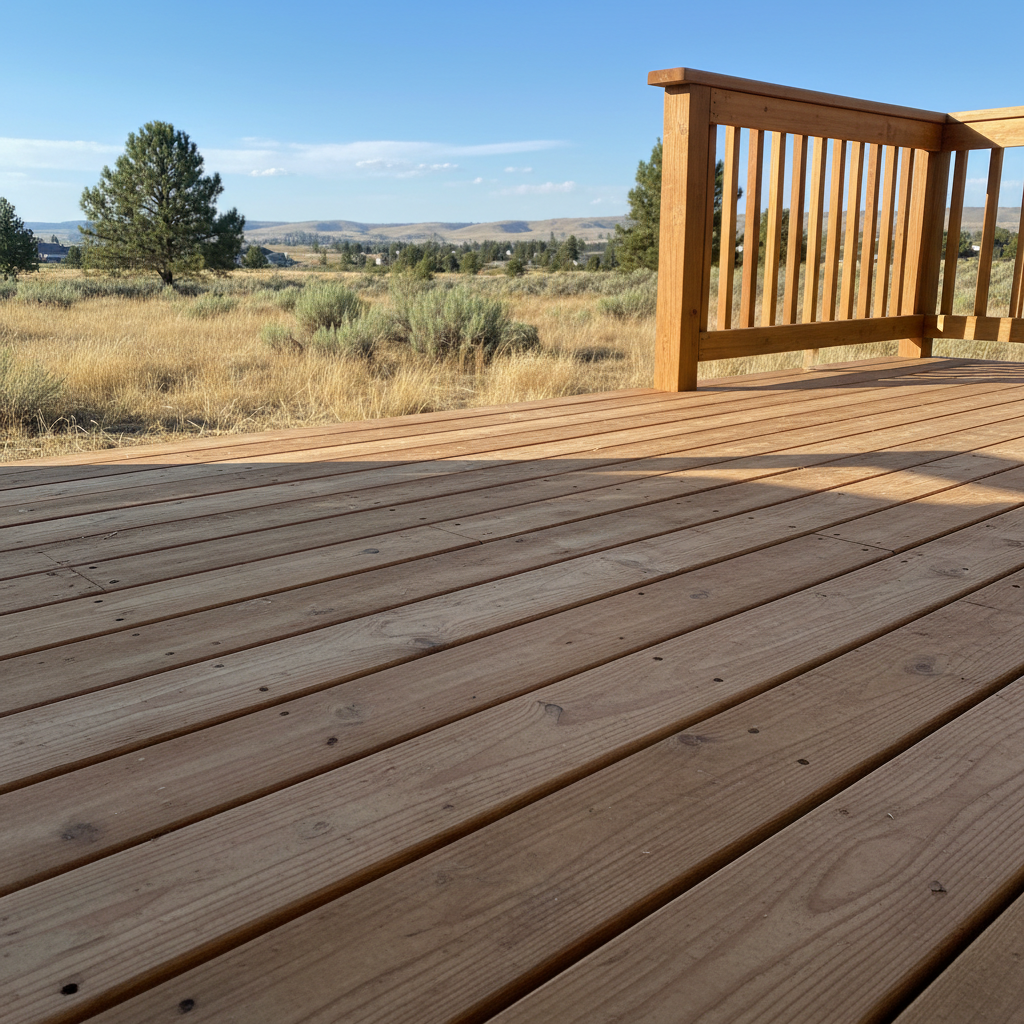
Getting Started: Before You Build or Repair
So, you're dreaming of a new deck, or maybe your old one's seen better days. First things first, you gotta figure out what you're actually trying to accomplish. Are you replacing a rotten board, expanding your outdoor living space, or building something totally new from scratch?
Before you even think about lumber, you need to check with the City of Eagle's planning department. Seriously, don't skip this. Most deck projects, especially new builds or significant expansions, require permits. You'll need to know about setbacks from property lines, maximum heights, and sometimes even material restrictions if you're in a planned community like Legacy or Two Rivers. It's a pain, but it's way less painful than having to tear down a deck later because you didn't get the proper approvals.
Next, think about your design. What's the deck for? Grilling? Entertaining? Just a quiet spot for coffee? This dictates size, shape, and features. Also, consider the local climate. We get hot, dry summers and cold, wet winters here. That means wood choice and proper sealing are critical. Cedar and redwood are naturally rot-resistant, but pressure-treated pine is a popular, more affordable option, especially if you're diligent about maintenance.
Now, the big question: DIY or Pro? For minor repairs, like replacing a single deck board or tightening a wobbly railing, you can absolutely do that yourself if you're handy with tools. If it's anything structural – footings, ledger boards, joists – or if you're building a brand new deck, I'd strongly recommend calling in a professional. There's a lot of engineering that goes into a safe, long-lasting deck, and you don't want to mess around with that. Plus, pros know the local codes inside and out, which saves you headaches.
During the Project: What to Expect
If you're tackling a small repair yourself, make sure you've got the right tools. A good circular saw, a drill, a level, and a tape measure are your basics. Always wear safety glasses and gloves. When replacing boards, try to match the existing wood type and finish as closely as possible. It won't be perfect, but it'll blend better.
If you've hired a pro, like us at Eagle Deck Creations, you'll want to stay involved, but not micromanage. Ask questions, understand the timeline, and make sure you're clear on the materials being used. A good contractor will keep you updated and be transparent about any challenges that pop up. For instance, sometimes we hit unexpected rock formations during footing excavation here in Eagle, which can add a day or two to the schedule. It happens, and it's better to know upfront.
One thing I always tell folks: don't rush the inspection process. If your project requires inspections (and most new decks do), make sure they happen at the right stages. Footing inspection, framing inspection, and final inspection. Your contractor should handle scheduling these, but it's good for you to be aware.
After the Build: Keeping Your Deck in Top Shape
Okay, the deck's done, and it looks great. Now what? Maintenance, my friend, maintenance. This is where you can save a ton of money and extend the life of your deck significantly.
First, cleaning. You should clean your deck at least once a year. A good scrub with a deck cleaner (follow the instructions!) and a stiff brush, or a power washer on a low setting, will remove dirt, mildew, and algae. Be careful with power washers – too high a setting can damage the wood fibers.
Next, sealing or staining. This is crucial for wooden decks, especially with our sun and snow cycles. You'll want to reapply a good quality sealer or stain every 1-3 years, depending on the product and how much sun exposure your deck gets. This protects the wood from moisture, UV damage, and rot. Look for products specifically designed for decks and make sure the deck is completely dry before applying.
Regular inspections are also key. Walk around your deck a couple of times a year. Look for loose fasteners, wobbly railings, splintering boards, or any signs of rot. Address these issues quickly. A loose screw is an easy fix; ignored, it could lead to a loose board and a trip hazard. Check the ledger board where the deck attaches to your house – that's a common point for water intrusion and rot if not properly flashed and maintained. Also, clear any debris from between deck boards to prevent moisture buildup.
Don't let plants or trees grow directly against or over your deck. They trap moisture and can accelerate rot. Trim them back. And in winter, if you're shoveling snow off your deck, use a plastic shovel to avoid scratching the surface.
Taking care of your wooden deck isn't rocket science, but it does require a bit of consistent effort. Do the small stuff yourself, and don't hesitate to call a pro for anything that feels beyond your skill set. A well-maintained deck isn't just beautiful; it's a safe and valuable extension of your home.