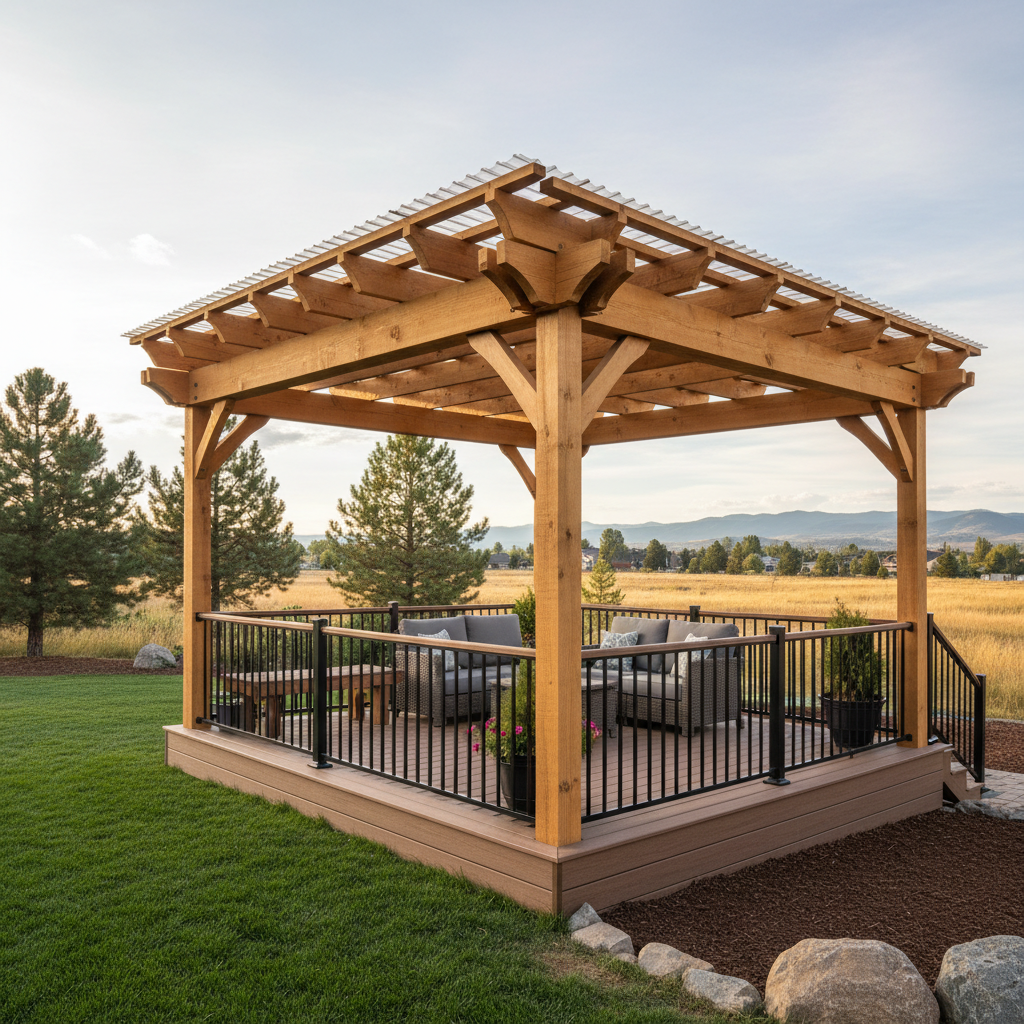
You've got a beautiful pergola at your Eagle home, right? Maybe it's over your patio, or the hot tub, or even your outdoor kitchen. It really adds something special to the yard, giving you shade and a great focal point. But, like anything out in our Idaho weather, it needs a little TLC to stay looking good. You definitely don't want that gorgeous structure to start looking tired, or worse, become a safety risk.
Make Your Pergola Last Longer
The best thing you can do for your pergola's longevity? Protect it from the elements. Here in Eagle, we experience all four seasons, and sometimes they hit hard. Picture those hot, dry summers that can really bake wood, then the cold, wet winters with snow and ice. That's a lot for any outdoor structure to endure, isn't it?
If your pergola is made of wood, regular sealing or staining isn't just an option—it's a must. I'm talking every two to three years, give or take, depending on the product you use and how much sun it gets. A good quality sealer works like sunscreen and a raincoat for your wood. It stops moisture from soaking in, which prevents rot, warping, and cracking. Plus, it guards against UV damage, keeping the wood from fading to that dull, grayish color. Now, if you've got a composite pergola, you're pretty much set on this front; they're designed to handle the weather without all that extra work.
Another key thing is making sure water drains away properly around the base. You really don't want water pooling up against the posts, especially if they're wood. Check that your landscaping or patio design directs water away from the structure. That's a common issue we often spot in older homes, particularly those built on the west side of town where the soil tends to hold moisture.
What Does Regular Maintenance Involve?
This isn't brain surgery, just a little common sense and a quick check-up a few times a year.
- Clean it regularly: Just like your house, your pergola collects dirt. Dust, pollen, bird droppings, and even algae can build up. A simple wash with mild soap and water, using a soft brush or a low-pressure setting on your hose, makes a huge difference. Do this at least once a year, maybe twice if it sits under a lot of trees.
- Check fasteners: Bolts, screws, and brackets can loosen over time as things expand and contract with temperature changes. Give them a visual inspection. If you see any that look loose or rusted, tighten them up or swap them out. This is especially crucial for any hardware holding up beams or rafters.
- Inspect for damage: Look for cracks, splinters, or any signs of rot in wooden parts. Small cracks can often be filled with wood filler before they turn into bigger headaches. For composite, you're mainly looking for impact damage or fading.
- Clear debris: Keep leaves, branches, and other junk from piling up on top of the pergola or in any little nooks and crannies. This stuff holds moisture, which can lead to staining or even rot.
Warning Signs of Trouble
Your pergola usually tells you when something's wrong, if you know what to look for. Don't ignore these signals:
- Soft spots or discoloration on wood: This is a major red flag for rot. Poke at the wood with a screwdriver; if it's soft or crumbly, you've definitely got rot.
- Wobbly posts or beams: If the whole structure feels unstable when you give it a push, that's a serious problem. It means connections are failing or the posts themselves are compromised.
- Excessive cracking or splitting: While some minor checks are normal in wood, large, deep cracks can point to structural weakness or that the wood is drying out too much.
- Pest activity: Sawdust piles, tiny holes, or buzzing sounds could mean insects are making a home in your wood. Termites and carpenter ants, for instance, just love damp wood.
- Sagging elements: If any beams or rafters look like they're bowing or sagging, it means they're under too much stress or losing their structural integrity.
When to Call a Pro
Look, not every homeowner wants to climb a ladder and mess with structural components, and that's perfectly fine. Sometimes, the problem is just bigger than a quick cleaning or tightening a bolt. If you spot any of those serious warning signs—rot, wobbling, significant cracking, or pest damage—it's time to call in someone who really knows their stuff. Trying to fix a structural issue yourself without the right knowledge or tools can be dangerous, and you could end up making it worse or even hurting yourself.
Here at Eagle Deck Creations, we've honestly seen it all. We can assess the damage, give you an honest opinion on whether it's repairable or if a replacement is the safer bet, and then handle the work properly. We're happy to come out and take a look, even if it's just to set your mind at ease. Getting ahead of these problems really does save you money and headaches down the road.