Getting Started: Before You Dig (or Demolish)
So, you've got a pool, or you're planning one, and now you're staring at that empty space around it, wondering about the deck. It's a big decision, and honestly, it's where a lot of folks make their first mistakes. Don't rush it. The deck isn't just a pretty border; it's got to be safe, durable, and handle our Eagle weather – those hot summers and freezing winters can be tough on materials.
First things first, think about what you actually want to *do* on this deck. Is it just a walkway? Are you putting a grill out there? Loungers? A fire pit? That'll dictate the size and shape. And trust me, you'll always wish you went a little bigger. A cramped pool deck is no fun for anyone.
Next, materials. This is huge. For pool decks, you're usually looking at concrete (poured or pavers), composite decking, or natural stone. Wood decks around pools are less common these days because of the constant moisture, but if you go that route, you'll need pressure-treated lumber and a heck of a lot of sealing. Here's a quick rundown:
- Poured Concrete: It's durable, relatively affordable, and you can stamp it to look like stone or wood. It's a solid choice, but cracking can be an issue if not installed right, especially with our expansive clay soils in areas like Mace River Ranch.
- Concrete Pavers: These are great. They come in tons of styles, colors, and textures. If one cracks, you can replace just that paver. They're also permeable, which can help with drainage.
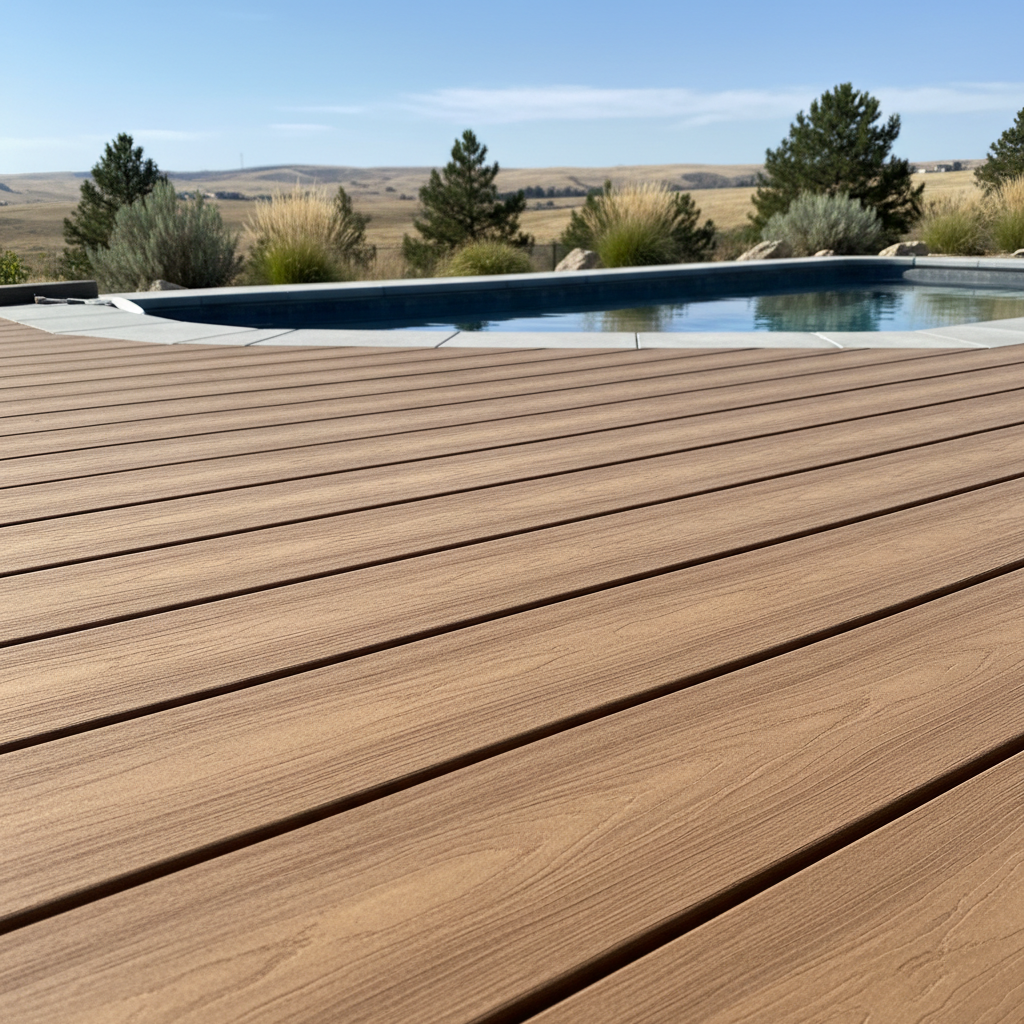
- Composite Decking: Low maintenance, doesn't splinter, and resists rot and insects. It can get hot underfoot in direct sun, so pick lighter colors if you go this route.
- Natural Stone (Travertine, Flagstone): Beautiful, high-end look. Travertine stays cooler than concrete. It's more expensive and can be tricky to install correctly, requiring a good base.
DIY vs. Pro (Before): Planning and design? You can absolutely sketch out your ideas, measure, and research materials. Getting permits? That's usually on you, the homeowner, though a good contractor will help guide you. Site prep, like clearing brush or leveling a small area, you might tackle. But anything involving significant excavation, grading for drainage, or structural engineering? Call a pro. You don't want water pooling against your house or your deck sinking in a year.
The Build: Getting Your Hands Dirty (or Letting Someone Else)
Okay, you've got your plan, your materials picked out, and maybe your permits in hand. Now for the actual construction. This is where the rubber meets the road, or more accurately, where the concrete gets poured.
If you're going with poured concrete, this is almost always a job for the pros. Mixing and pouring concrete correctly, getting the right slope for drainage, and finishing it smoothly takes skill and specialized equipment. You can try to do a small pad yourself, but a large pool deck? You'll regret it. Trust me, I've seen the DIY concrete jobs that look like a lunar landscape.
Pavers are a bit more DIY-friendly. If you're handy, patient, and have a strong back, you can lay pavers. The key is the base. It needs to be perfectly prepped, compacted, and leveled. If your base isn't right, your pavers will shift, sink, and look terrible. You'll need to rent a plate compactor, which isn't cheap, but it's essential. For a small patio, maybe, but for a whole pool deck, it's a huge undertaking. Even then, getting the cuts around the pool edge just right can be a nightmare.
Composite decking is also something an experienced DIYer can tackle, especially if you're building a raised deck frame. The framing needs to be solid and properly anchored. Cutting and fastening the composite boards is straightforward, but again, the foundation is everything. If you're building a ground-level deck, the sub-base prep is similar to pavers.
DIY vs. Pro (During): Small paver patios or simple composite deck sections can be DIY. But for anything that involves a concrete pour, complex grading, intricate cuts around the pool, or structural framing for a raised deck, you're better off hiring a professional. We've built enough decks at Eagle Deck Creations to know what goes into making them last. It's not just about putting pieces together; it's about making sure it's safe, up to code, and will stand up to years of use.
After the Build: Keeping Your Deck Looking Good
So, the deck's done, the pool's sparkling, and you're ready to relax. Great! But your work isn't entirely over. Maintenance is key to making your pool deck last, no matter what material you chose.
For concrete decks, sealing is crucial. It protects against stains, UV damage, and helps prevent freeze-thaw damage. You'll want to reseal every few years, depending on the product and how much sun it gets. Clean it regularly with a pressure washer or a good scrub brush. Watch for cracks; small ones can sometimes be filled, but bigger ones might indicate a deeper issue.
Pavers are pretty low maintenance. Keep them clean, sweep off leaves and debris, and occasionally brush sand back into the joints if it washes out. You can also seal pavers, which helps with staining and keeps the colors vibrant.
Composite decking is the easiest. A simple wash with soap and water is usually all it needs. No sealing, no staining. Just keep an eye out for mold or mildew in shady, damp spots and clean it off.
Natural stone needs regular cleaning and sealing too. Some stones are more porous than others and will need more frequent sealing to prevent staining and water absorption.
DIY vs. Pro (After): Most routine maintenance – cleaning, sweeping, even basic sealing – is totally DIY. You can handle that. If you see significant cracking, shifting, or drainage problems, that's when you call in a pro. Don't let a small issue turn into a big, expensive repair because you waited too long. A good contractor can assess the situation and recommend the right fix before it gets out of hand.
Building a pool deck is a big investment, but a well-built, well-maintained one will give you years of enjoyment. Do your homework, know your limits, and don't be afraid to bring in the experts when you need them. It'll save you headaches and money in the long run.