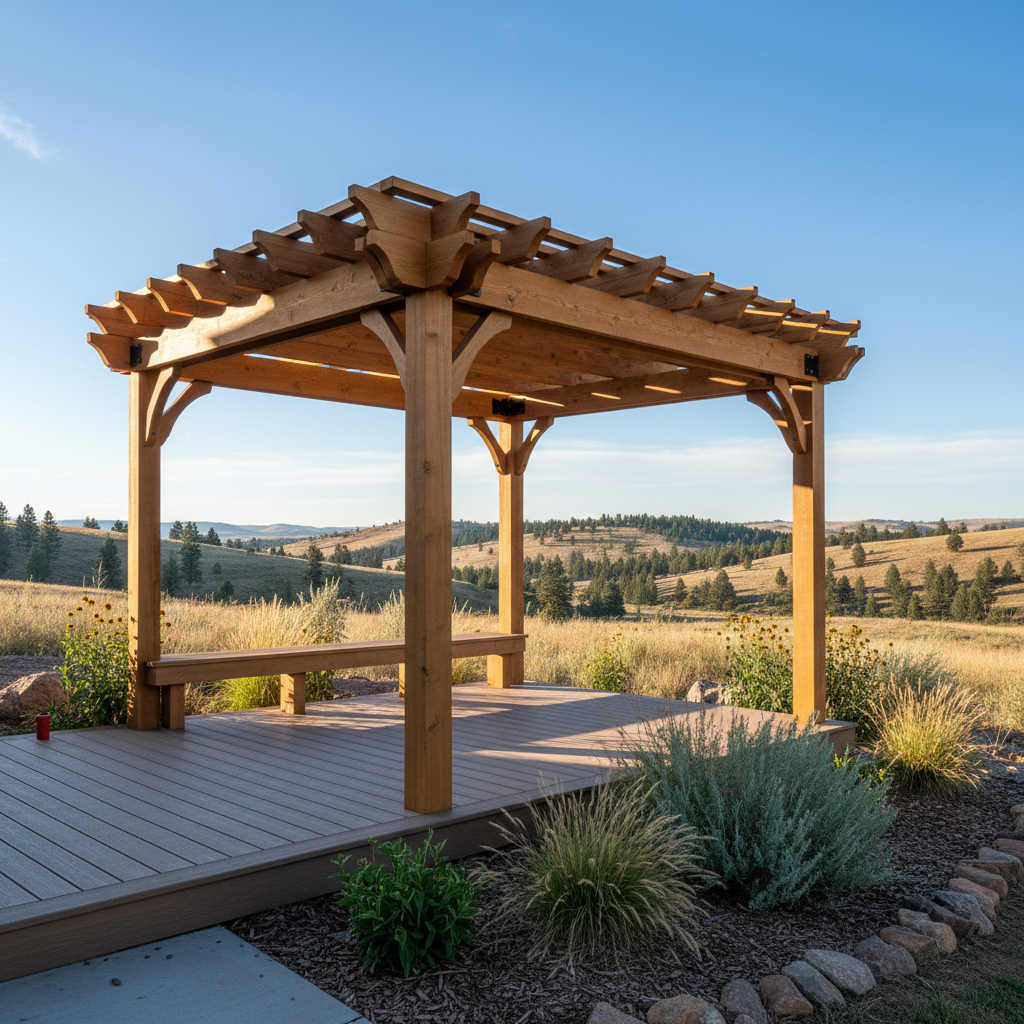
So, you've got this great pergola out there, right? It gives you shade, a perfect spot to kick back. But just like anything else that sits outside in our wild Eagle weather – from those scorching, dry summers to the snowy winters – it needs a little TLC to keep looking good. And, more importantly, to stay strong. Honestly, I've seen way too many pergolas just fall apart because people didn't know what to look for or when to step in. Let's make sure yours isn't one of them.
Making Your Idaho Pergola Last Longer
The single biggest thing you can do to make your pergola last, especially here in Eagle, is to shield it from the elements. Our high desert climate means summer brings intense UV rays, and then winter hits with those freeze-thaw cycles. Those cycles can really mess with wood, and even some composites, if they aren't sealed or maintained properly. If you have a wooden pergola, a good quality stain or sealant is your first line of defense. I'm talking about something that really soaks into the wood, not just sits on top. It needs to handle the wood expanding and contracting as temperatures swing. Plan on reapplying it every couple of years, or sooner if you notice it's fading or water isn't beading up anymore. For composite or vinyl pergolas, you're less worried about sealing; it's more about keeping them clean and checking for physical damage.
Another huge one is proper drainage. Water pooling around the base of the posts? That's just asking for rot, especially with our heavy clay soils in places like the Legacy neighborhood. Make sure the ground slopes away from the posts, or that your posts are sitting on concrete footings that lift them a bit. This stops moisture from wicking up into the wood.
Regular Check-ups: What Should You Be Looking For?
You don't need to be an expert to do a quick visual check. I'd suggest doing this at least twice a year – once in the spring after the snow melts, and then again in the fall before winter really sets in. Here's what I'd personally check:
- Cleanliness: Just keeping things clean makes a huge difference. Grab a soft brush, some mild soap, and water to wash away dirt, pollen, and any mildew. For wood, a pressure washer on a very low setting can work, but seriously, be careful not to damage the wood fibers.
- Fasteners: Go around and check all the bolts, screws, and connectors. Our temperature swings can make things loosen up over time, you know? Tighten anything that feels wobbly. Also, look for any rust on metal parts; if you see it, deal with it using a rust-inhibiting primer and paint.
- Wood Condition (if yours is wood): Look for cracks, splinters, or any signs of rot. Pay extra close attention to the ends of beams and posts, especially where they meet other pieces or the ground. Small cracks are normal, but if you see large, deep ones, that could signal a bigger problem. Poke at suspicious spots with a screwdriver – if the wood feels soft or crumbles, you've definitely got rot.
- Vines and Plants: Climbing plants on your pergola look fantastic, but they can trap moisture against the structure and hide issues. Keep them trimmed back and occasionally pull them away to inspect the wood underneath.
- Foundation/Footings: Check for any shifting or settling. Are the posts still straight up and down? Is there any erosion around the footings?
Warning Signs You Really Shouldn't Ignore
Some things are more than just cosmetic. If you spot any of these, it's time to pay serious attention:
- Significant Sagging or Leaning: This is a massive red flag. If beams are obviously bowing, or the whole thing is leaning to one side, you've got a structural issue on your hands.
- Extensive Rot or Pest Damage: A little surface mildew is one thing, but widespread rot or signs of insect damage (like sawdust trails or tiny holes) means the wood's strength is compromised.
- Loose or Corroded Hardware: If bolts are rusted through or pulling out of the wood, they're not doing their job anymore.
- Large Cracks in Main Support Beams: Sure, small surface checks are normal in wood, but deep cracks that go through a good chunk of a beam's thickness can really weaken it.
- Water Intrusion: If water is constantly pooling on flat surfaces or running into joints, you're going to have problems down the line.
When It's Time to Call a Professional
Look, I'm all for doing things yourself, but some jobs are just better left to the pros. If you see any of those major warning signs – sagging, leaning, lots of rot, or failed fasteners – please, don't try to jury-rig a fix. You're dealing with a structure that could be dangerous if it collapses. A professional can check out the damage, figure out what's causing it, and recommend the best way forward, whether that's a repair or a full rebuild.
Also, if you're not comfortable getting up on a ladder to inspect the higher parts of your pergola, or if you just don't have the time, it's totally fine to call someone in. We do this kind of work all the time at Eagle Deck Creations. We can give your pergola a thorough inspection, clean it up, re-stain it, or handle any repairs it needs. It's an investment in your home, and keeping it safe and beautiful is absolutely worth it.