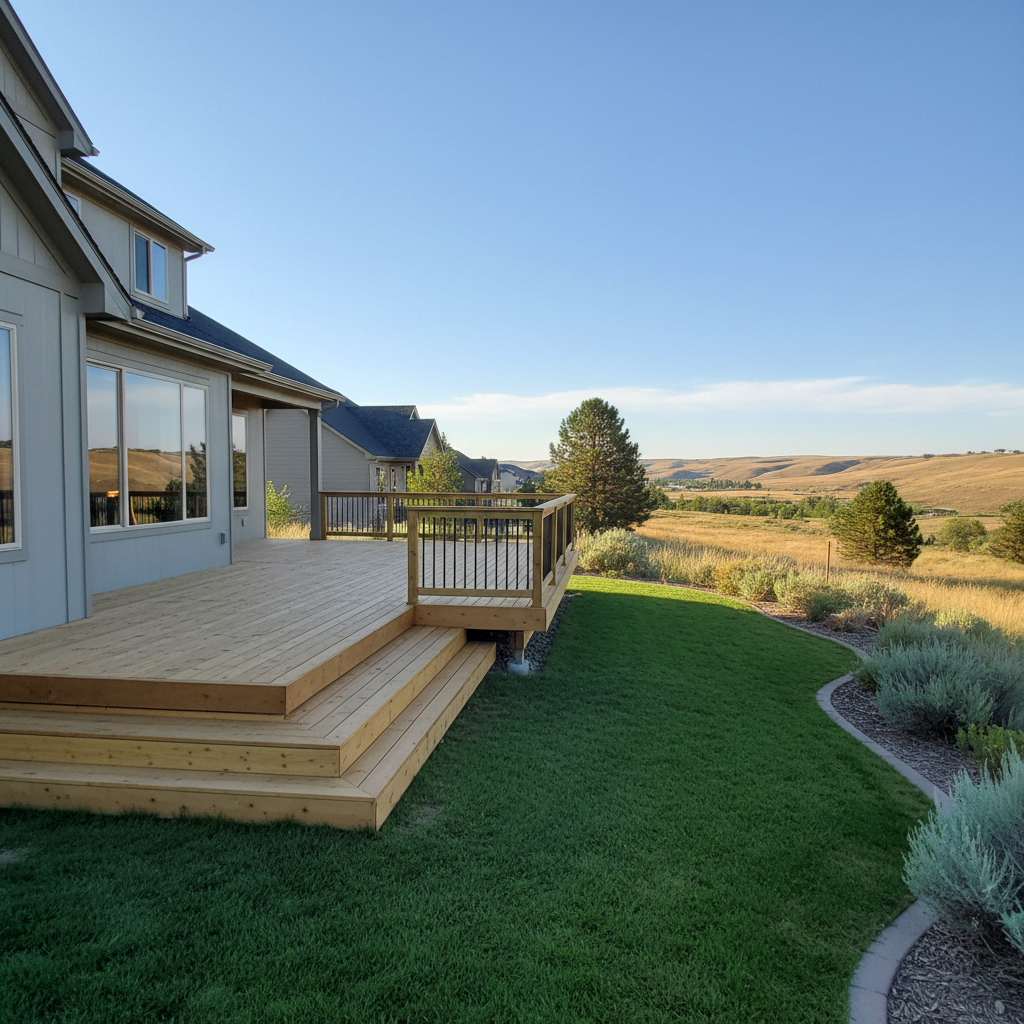
Your deck's seen better days, right? Maybe it's a wobbly railing, some rotten boards, or just looks generally worn out. Whatever the problem, you're probably thinking about getting it fixed up. That's a smart move. A good deck repair isn't just about making your place look better; it's genuinely about safety and protecting the money you've put into your home. But where do you even begin? Let's talk it through.
Timeline: What to Expect
Look, deck repair usually isn't an overnight job, especially if you're dealing with structural issues or need permits. First off, you'll spend some time just getting quotes. I'd say give yourself at least a couple of weeks for that, maybe more if it's peak season here in Eagle. Good contractors are busy, and you really don't want to rush this part.
Once you've picked your pro, the actual work timeline can vary a lot. A small repair, like replacing a few deck boards or tightening up some loose railings, might only take a day or two. If you're talking about replacing a whole section, re-framing, or tackling significant rot, that could easily stretch to a week or more. And don't forget about how long it takes to get materials. Sometimes, getting specific composite boards or certain types of lumber can add a few days, maybe even a week, to the start date. We always try to be upfront about this at Eagle Deck Creations, but it's a pretty common hurdle.
Permits are another thing entirely. For major structural repairs or changes, you might need one from the City of Eagle. That process can take anywhere from a few days to a few weeks, depending on their workload. Your contractor should handle this, but it's good to know it's part of the overall timeline, isn't it?
What Happens During the Repair?
Okay, so you've signed the contract, and the crew's showing up. What's it going to look like? First, expect some noise and dust. It's construction, after all. They'll likely start by removing the damaged sections. This could mean pulling up old boards, cutting out rotten joists, or taking apart railings.
Next comes the structural stuff. If joists or beams are compromised, they'll be replaced or reinforced. This is absolutely critical for safety. Then, new decking boards go down, railings get installed or repaired, and any steps or skirting are addressed. If you're getting a new finish, like staining or sealing, that'll happen towards the end, often after a day or two of drying time, depending on the weather. We get some pretty hot, dry summers here in Eagle, which is great for drying times, but spring and fall can be a bit trickier.
Communication is key during this whole process. Your contractor should keep you in the loop about progress, any unexpected issues they find (which happens sometimes with older decks), and when they expect to be done. Seriously, don't be afraid to ask questions if you're unsure about something.
How to Prepare Your Home and Yard
Before the crew even shows up, there are a few things you can do to make everyone's life easier and keep your stuff safe:
- Clear the Deck: Get absolutely everything off your deck. Furniture, planters, grills, toys – all of it needs to go. Store it somewhere safe and out of the way.
- Clear the Area Around the Deck: The crew will need space to work, stage materials, and move equipment. Move anything valuable or fragile from under or around the deck. Think about plants, garden ornaments, or even kids' play structures.
- Secure Pets: Your furry friends might get stressed by the noise and activity. Keep them inside or in a secure, separate area during working hours.
- Access: Make sure there's a clear path for the crew to get to the deck from their vehicles. If you have any gates, make sure they're unlocked or provide access.
- Talk to Your Neighbors: A quick heads-up to your neighbors about the upcoming work can go a long way. Let them know there might be some noise for a few days.
Questions to Ask Before You Sign
This is where you protect yourself and ensure you're getting a quality job. Don't be shy. Ask these questions:
- What exactly is included in this quote? Get a detailed breakdown. What materials are they using (brand, type, grade)? Does it include debris removal? What about permits?
- Do you pull the necessary permits? This is a big one. You really don't want to be on the hook for unpermitted work.
- What's your payment schedule? A reputable contractor usually asks for a deposit upfront (often 10-30%), with progress payments and a final payment upon completion. Be wary of anyone asking for 50% or more upfront.
- Are you licensed and insured? Ask for proof. You need to know they have general liability insurance and workers' compensation. If they don't, you could be liable if someone gets hurt on your property.
- Can you provide references? And actually call them! Ask about their experience, communication, and if the project stayed on budget and schedule.
- What's your warranty on labor and materials? Understand what's covered and for how long.
- How do you handle unexpected issues? Sometimes, you pull up an old board and find more rot than anticipated. How will they communicate this, and how will it affect the cost and timeline?
- Who will be the primary contact person? You want one point of contact for questions and concerns.
Getting your deck repaired is a worthwhile investment. By understanding the process, preparing your home, and asking the right questions, you'll ensure a smoother project and a deck you can enjoy for years to come.