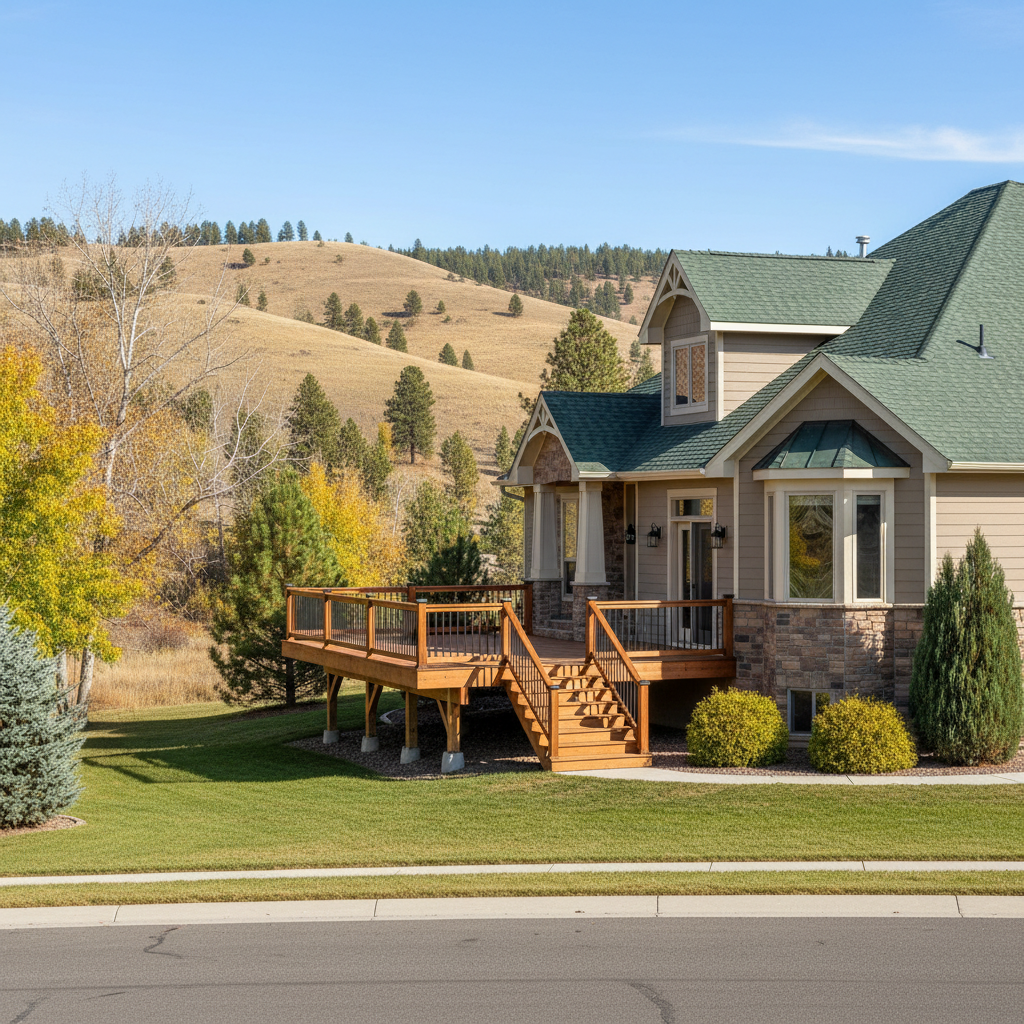
Your deck is probably one of your favorite spots in the house when the weather's good. It’s where you grill, relax, and watch the kids play. But it’s also out there taking a beating from our Eagle, ID weather year-round. I’ve seen it all in my years building and fixing decks around here, from Starwood to Legacy. What often starts as a small issue can quickly become a major headache if you don't jump on it.
Rotting Wood: The Silent Killer
This is probably the most common repair I get calls about. You might not even notice it at first. It often starts in places that stay damp, like where deck boards meet a post, or where water pools because of poor drainage. Our wet springs and then hot summers can be brutal on wood, causing it to expand and contract, opening up tiny cracks for moisture to sneak in. I've seen decks in the older parts of Eagle, especially those built before modern pressure-treated lumber was common, where joists looked fine from above but were completely punky underneath.
How do you spot it? Look for discoloration, soft spots when you press on the wood, or a spongy feel. Sometimes you’ll see mushrooms or other fungi growing on it – that’s a dead giveaway. Don't just paint over it. Rot means the wood's structural integrity is compromised, and that’s a safety issue. You need to cut out the bad section and replace it with new, properly treated lumber. Sometimes it's just a few boards, other times it's entire sections of the substructure. We always make sure to use materials that can stand up to our local conditions.
Loose Railings: A Major Safety Hazard
This one really grinds my gears because it’s such a clear safety risk. If your railing wiggles, it’s not just annoying, it’s dangerous. Kids lean on them, adults stumble, and a loose railing won't do its job when it's needed most. Often, it’s just a few bolts or screws that have worked their way loose over time due to expansion and contraction, or maybe they weren't installed correctly in the first place.
Sometimes, though, it's more serious. The posts themselves might be rotting at the base where they connect to the deck frame, or the fasteners have corroded. I've seen cases where railings were only held on by a couple of nails – a disaster waiting to happen. Give your railings a good shake every now and then. If anything feels loose, get it checked out immediately. We can usually tighten things up, reinforce connections, or replace compromised sections to make sure it's solid as a rock.
Splintered or Warped Deck Boards
Nobody wants to walk barefoot on a deck riddled with splinters. And warped boards can create tripping hazards or even lead to water pooling, which, as we just talked about, can cause rot. This usually happens from sun exposure, inconsistent sealing, or just the natural aging of wood. Here in Eagle, with our intense summer sun and then freezing winters, wood really takes a beating.
For minor splinters, sanding can sometimes do the trick. But if boards are severely warped, cracked, or have large splinters, replacement is the best option. You want a smooth, safe surface. When we replace boards, we make sure to match the material and finish as closely as possible, or we can discuss options for resurfacing the whole deck if it's looking tired.
Failing Footings or Posts
This is a big one, and it's often overlooked because it's underground or hidden. Your deck's footings and posts are its foundation. If they're compromised, the whole deck is at risk. We've got some interesting soil conditions around Eagle, from rocky areas to clay-heavy spots, and if footings aren't dug deep enough or properly designed for the soil, they can shift or heave with frost. I've seen decks where posts have sunk or shifted, causing the whole structure to become uneven and unstable.
Look for any noticeable sagging in your deck, or if it feels bouncy in certain spots. Cracks in concrete footings can also be a red flag. This kind of repair is definitely not a DIY job for most folks. It requires specialized knowledge and equipment to properly lift and re-support the deck, often involving new concrete work or structural reinforcement. We've got the experience to diagnose and fix these foundational issues right, ensuring your deck is stable for years to come.
Why Local Expertise Matters for Eagle Deck Repair
You might think a deck is a deck, but the truth is, local conditions make a huge difference. The specific types of wood used in older Eagle homes, our unique climate patterns, and even local building codes all play a role in how a deck ages and what kind of repairs it needs. Someone from out of the area just won't have that same understanding.
At Eagle Deck Creations, we're not just contractors; we're your neighbors. We know what works and what doesn't work in this valley. We understand the challenges of our weather, the common issues with homes built here, and the importance of using materials that can stand up to it all. Don't let those small deck problems turn into huge, expensive projects. Get them fixed now, and you'll enjoy your outdoor space safely and beautifully for many more seasons.