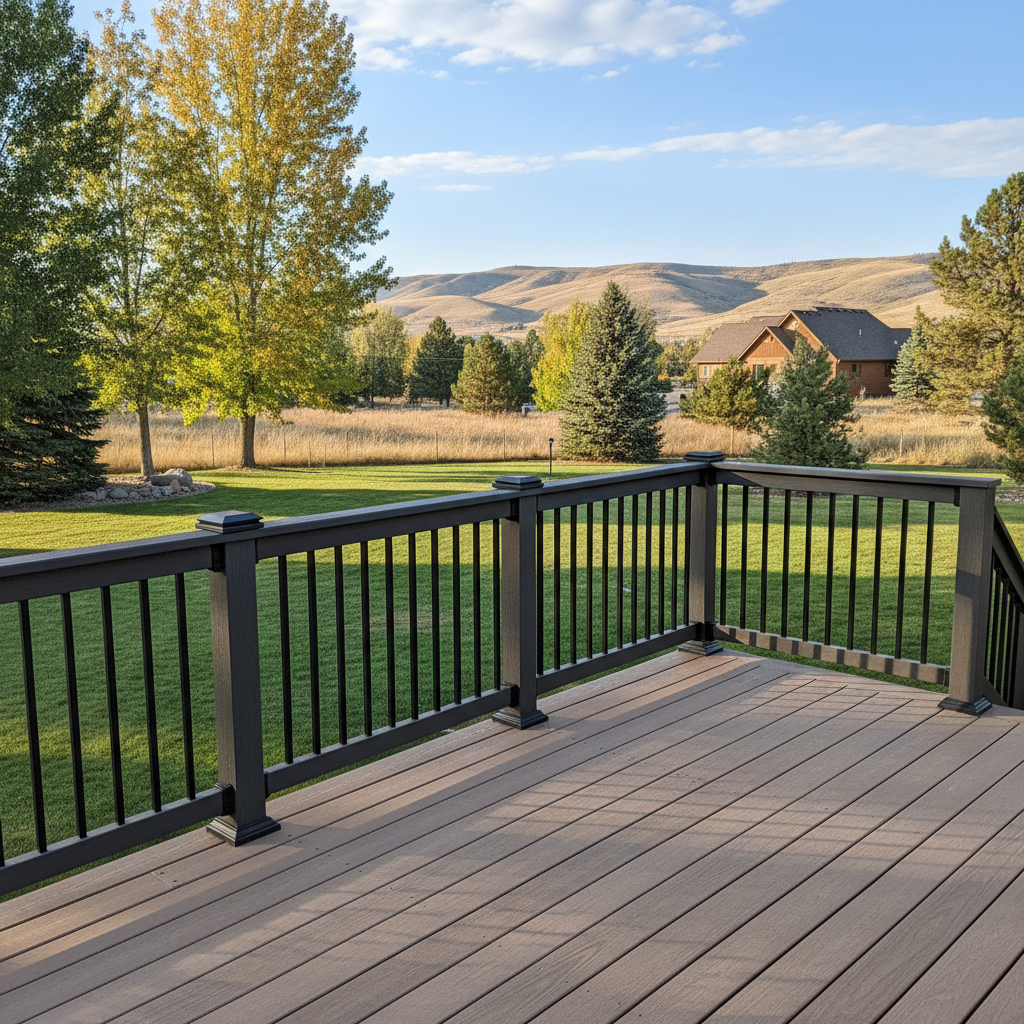
You've got a fantastic deck, right? And the railing plays a huge part in that. It keeps everyone safe, of course, but it also really ties the whole outdoor space together. Here in Eagle, though, our weather can be pretty wild – scorching summers, freezing winters, and everything in between. That kind of exposure means your railing needs a little TLC. Ignore it, and you're not just looking at a shabby-looking deck; you're actually putting safety at risk.
Making Your Railing Last Longer, Right from the Start
When we put in a railing at Eagle Deck Creations, we're always thinking about how long it's going to last. But you've got a big role to play too. The single most important thing you can do for any railing – wood, composite, or metal – is to keep it clean and protected. For wood railings, that means sealing or staining it properly. You can't just install it and then forget about it, can you? Our climate here, with its big temperature swings and dry air, really takes a toll on wood. It'll crack, splinter, and rot if you don't seal and maintain it correctly.
Now, for metal railings, like aluminum or steel, corrosion is the real enemy. Even powder-coated finishes can get scratched, which exposes the bare metal underneath. You'll want to touch up those scratches fast to stop rust from spreading. Composite railings are pretty low-maintenance, that's true, but they still need a good cleaning to prevent mold and mildew. This is especially important in shaded spots or if you've got a lot of trees around your property in areas like Legacy or Two Rivers.
Regular Maintenance: What You Should Be Doing
Think of it like checking your car's oil – a little bit of effort now saves you a whole lot of trouble later. Here’s what I usually tell folks:
- Clean it often: Just a simple wash with mild soap and water, maybe once or twice a year, makes a big difference. Use a soft brush or cloth. For really stubborn grime or mildew on composite, a deck cleaner specifically made for that material works wonders.
- Check the hardware: Take a walk around your deck railing a few times a year. Are all the screws still tight? Any loose bolts? Wood expands and contracts, you know, and sometimes hardware can loosen up. Tighten anything that feels wobbly.
- Look for damage: On wood, check for splinters, cracks, or rot. For metal, look for rust spots or chipped paint. On composite, keep an eye out for fading, scratches, or any signs of warping, though that's pretty rare with good quality stuff.
- Reapply sealants/stains (for wood): This is absolutely critical for wood. Depending on the product you used and how much sun your deck gets, you'll probably need to re-seal or re-stain every 2-3 years. Don't wait until the wood looks gray and dried out; by then, it's already taking a beating.
Warning Signs You Really Shouldn't Ignore
Your deck railing will definitely tell you when it's in trouble; you just need to know what to look for. Don't put off addressing these issues:
- Wobbling or looseness: If a section of railing or a post feels wobbly when you lean on it, that's a serious safety hazard. Don't ignore it.
- Rot or soft spots: Poke around with a screwdriver, especially at the base of posts or where railings meet the deck. If the wood feels soft or crumbles, you've definitely got rot.
- Extensive rust: A little surface rust on a screw head might be okay, but if you see large patches of rust on metal components, it's compromising the whole thing.
- Cracked or splintered wood: Beyond just minor surface cracks, deep splits can weaken the railing and create sharp hazards.
- Broken balusters or pickets: Obviously, if something's broken, it needs fixing.
- Faded or peeling finishes: This isn't a structural problem, but it means your protective layer is gone, leaving the material vulnerable to the elements.
When to Call a Professional
Look, some things you can absolutely handle yourself. Tightening a screw, a quick wash – no problem there. But there are times when it's just smarter, and frankly safer, to call in someone who knows what they're doing. If you see significant structural damage, like a main post rotting at the base, or if an entire section of railing is loose and you can't figure out why, that's when you call us. If you're unsure about how bad the rot is, or if you need to replace multiple components to make sure it's safe, please don't try to DIY and guess. We've seen it all, and we can properly assess the situation, recommend the right fix, and make sure your railing is up to code and safe for your family and guests. Your deck is an investment, after all, and keeping that railing in top shape protects that investment and, more importantly, protects the people using it.