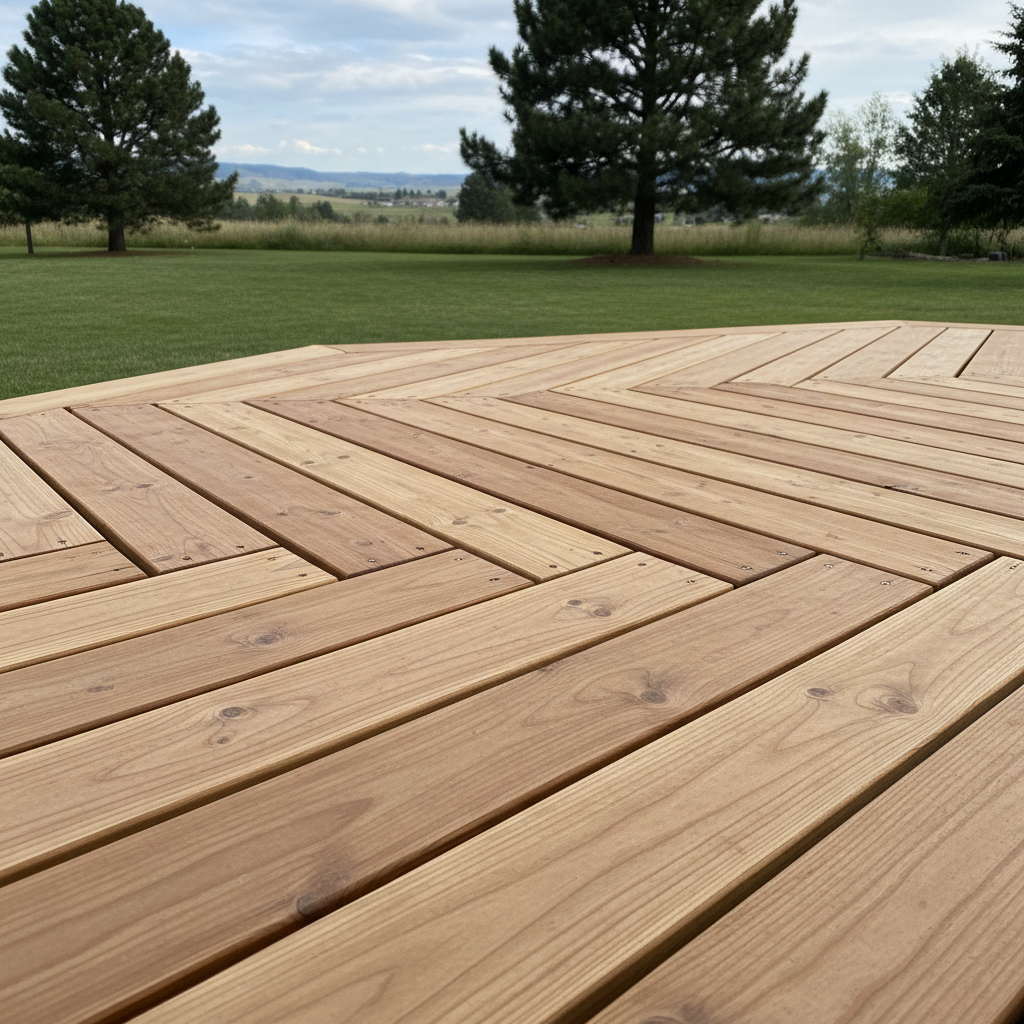
Thinking About a New Wooden Deck in Eagle?
You’re probably picturing those warm summer evenings, grilling out with friends, or just enjoying the quiet Idaho sunset right from your backyard. A good wooden deck can totally transform your outdoor living space. But before you grab a hammer, let's talk about what goes into building one, and what you can realistically tackle yourself versus when it’s time to bring in the pros.
Before You Start: Planning & Permits
First off, don't even think about cutting a single board until you've got a solid plan. What size do you want? What shape? Where will it connect to your house? Think about how you'll use it. Will you have a big dining table? A hot tub? That all affects the design and structural requirements. And don't forget about the sun. Eagle gets plenty of it, so consider shade options.
Here’s a big one: permits. You absolutely need to check with the City of Eagle Planning and Zoning Department. Pretty much any deck over a certain height or size will require one. This isn't just bureaucracy; it's about safety. They'll make sure your deck meets local building codes, which are there to prevent collapses and other headaches down the road. They'll want to see your plans, and they'll likely inspect the footings and framing. Don't skip this step; it can save you a ton of trouble and potential fines later on. Trust me, I've seen folks try to cut corners, and it never ends well.
DIY or Pro? Knowing Your Limits
So, what can you do yourself? If you're handy, have a good set of tools, and a solid understanding of carpentry, you can certainly handle some parts. Things like demolition of an old deck, staining, or even replacing a few worn boards are definitely in the DIY zone.
However, building a new deck from scratch, especially one that's attached to your house, is a whole different ballgame. Here's why you might want to call in a professional:
- Footings: Getting these right is critical. They need to be deep enough to get below the frost line (which can be a real issue with our cold Eagle winters) and properly sized for the load. If they're wrong, your deck will heave, sag, or worse. Digging these in some of the harder clay soils around Eagle Hills can be a real workout, too.
- Framing: This is the backbone of your deck. Joist spacing, ledger board attachment to your house, proper bracing—it all has to be precise and up to code. Mess this up, and your deck won't be safe.
- Stairs and Railings: These have strict code requirements for height, spacing, and tread depth. Getting them wrong isn't just an inspection failure; it's a major safety hazard.
- Time and Tools: Building a deck takes a lot of specialized tools and a significant amount of time. Do you have a miter saw, circular saw, drill, level, and all the safety gear? And do you have weeks of free weekends?
For most homeowners, especially for a new build, I'd strongly recommend hiring a reputable deck builder. We've got the experience, the tools, and we know the codes inside and out. It'll save you headaches, ensure it's safe, and probably look a whole lot better than if you tried to piece it together yourself.
During the Project: What to Expect
If you hire a pro like Eagle Deck Creations, we'll handle the permits, the design, and all the heavy lifting. We'll keep you updated on progress, and make sure everything is built to last. We'll also make sure the site is clean and safe during construction.
If you're doing some DIY work, be prepared for dust, noise, and a bit of a mess. Keep your work area tidy, secure tools, and always prioritize safety. Wear eye protection, gloves, and sturdy shoes. Don't rush things, especially when cutting or drilling.
After It's Built: Maintenance is Key
Once your beautiful new wooden deck is finished, the work isn't entirely over. Wood needs maintenance to stay looking good and lasting long. Here’s what you need to do:
- Cleaning: Annually, give it a good wash. A pressure washer on a low setting or a scrub brush with a deck cleaner works wonders. Get rid of all that dirt, pollen, and mildew.
- Staining/Sealing: This is crucial for wooden decks. Depending on the type of wood and the product you use, you'll need to re-stain or seal every 1-3 years. This protects the wood from UV damage, moisture, and rot. Don't let it go too long, especially with our hot summers and wet springs.
- Inspections: Periodically check for loose boards, wobbly railings, or exposed nails/screws. Address any issues promptly. Look for signs of rot, especially where wood meets the ground or where water tends to sit.
Taking care of your deck isn't just about aesthetics; it's about extending its life and keeping it safe for everyone who uses it. A little maintenance goes a long way in protecting your investment.
Building a deck is a big project, but a rewarding one. Whether you tackle some of it yourself or bring in the experts, planning and proper execution are what really matter. Enjoy those Idaho evenings!