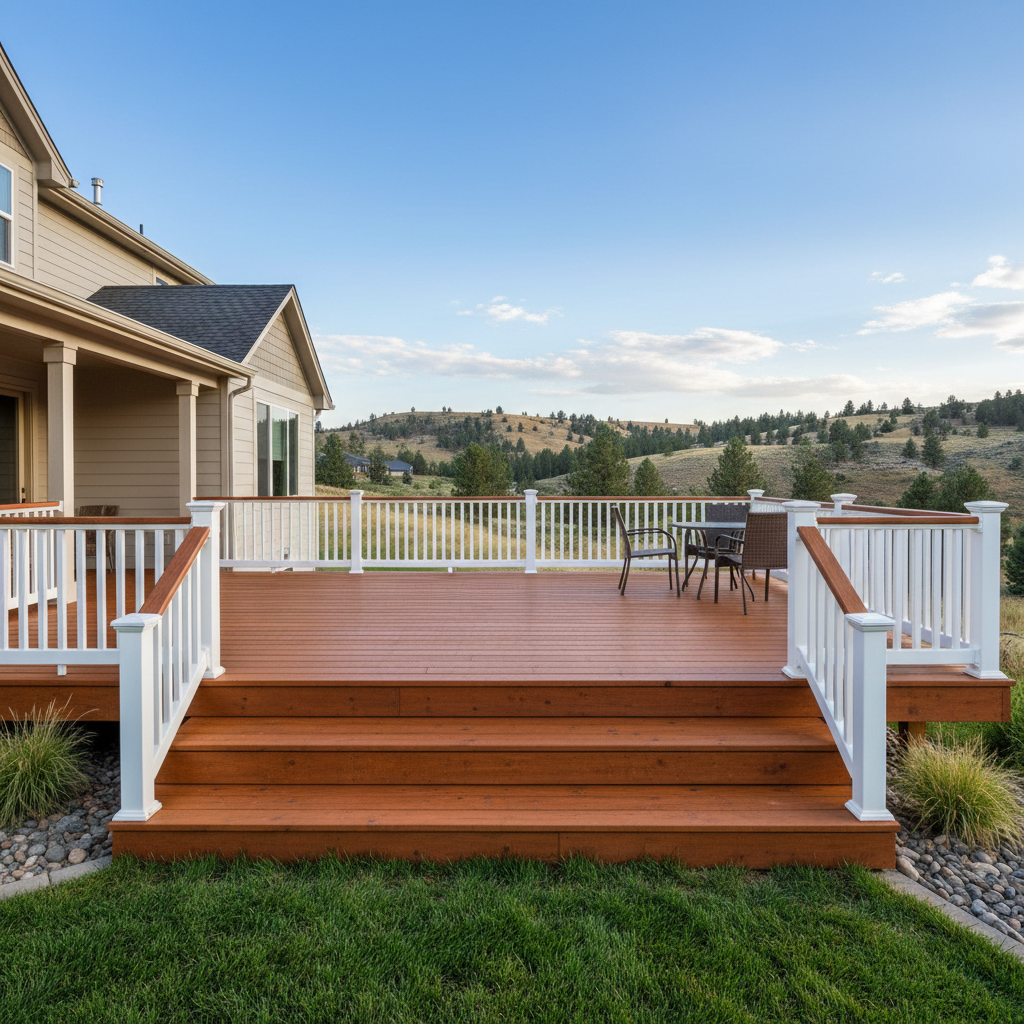
Alright, let's talk decks. Specifically, painting and staining them. I've been in this business a long time, and I've seen plenty of folks around Eagle, from the newer homes in Legacy to the older spots near the river, make the same mistakes over and over again when it comes to their decks. It's frustrating to watch, because a little bit of knowledge upfront can save you a whole lot of headache and money down the road. So, here's what you need to watch out for.
Mistake #1: Skipping the Prep Work (or doing it wrong)
This is probably the biggest one, and it's where most DIYers and even some 'pros' fall short. You can buy the fanciest, most expensive stain or paint on the market, but if the surface isn't ready, it's all going to peel, flake, or just look terrible in a year. I'm talking about dirt, mildew, old failing finishes, and even mill glaze on new wood.
- Not cleaning properly: Just hosing it down isn't enough. You need a good deck cleaner, and sometimes a brightener, especially if the wood is greyed. Pressure washing is great for cleaning, but you gotta be careful not to damage the wood fibers. Too much pressure, and you've got fuzzy wood that won't hold a finish well.
- Not letting it dry: This is huge, especially with our spring weather here in Eagle where you get a sunny day followed by a damp one. Wood needs to be bone dry before you apply anything. I'm talking 2-3 days of good, dry weather after cleaning, sometimes more. If you seal in moisture, you're asking for trouble.
- Ignoring repairs: Loose boards, popped nails, splintered areas – fix 'em before you stain. It's not just about aesthetics; it's about making sure your finish lasts and protecting the wood underneath.
Mistake #2: Choosing the Wrong Product for the Job
Walk into any hardware store, and the options for deck finishes can be overwhelming. It's easy to grab something that looks good on the can, but might be totally wrong for your deck's condition or your local climate.
- Paint vs. Stain: A lot of people think paint is more durable. For decks, it's usually the opposite. Paint forms a film on top of the wood, and it's prone to peeling and chipping, especially with foot traffic and our harsh Idaho winters. Stains, particularly penetrating oil-based ones, soak into the wood, protecting it from within. They wear down more gracefully and are easier to re-coat.
- Solid vs. Semi-Transparent vs. Transparent: This depends on how much of the wood grain you want to see and how much protection you need. Solid stains offer the most UV protection and hide imperfections, but they act more like paint. Semi-transparent gives you good protection while letting some grain show. Transparent and toners offer the least protection but let the most natural beauty of the wood shine through. Know what you're getting into.
- Not considering UV protection: Our sun here in Idaho is no joke. UV rays break down wood fibers and finishes. Make sure whatever you choose has good UV inhibitors.
Mistake #3: Hiring the Cheapest Bid (or a Fly-by-Night Crew)
I get it, everyone wants a good deal. But when it comes to something as important as protecting your deck, the lowest bid often comes with hidden costs – usually in the form of shoddy work that needs to be redone sooner than later. I've seen guys come through Eagle, do a quick, cheap job, and then disappear when problems arise.
- No references or portfolio: A reputable contractor will have plenty of examples of their work and happy customers. Ask for them. Check their online reviews.
- No insurance: This is a massive red flag. If they don't have liability insurance, and someone gets hurt on your property or they damage something, you could be on the hook. Don't risk it.
- No contract: Get everything in writing. What's included in the prep? What specific products are they using? How many coats? What's the warranty? A good contractor, like us at Eagle Deck Creations, will provide a clear, detailed contract.
- Asking for too much upfront: A reasonable deposit is fine, but if they want 50% or more before any work starts, be wary.
Mistake #4: Ignoring the Weather Forecast
This might seem basic, but it's crucial. You can't stain or paint a deck in the rain, obviously. But you also can't do it if it's too hot, too cold, or too humid. Most products have specific temperature and humidity ranges for application. If it's too hot, the product can dry too fast, leading to lap marks and poor penetration. Too cold, and it won't cure properly.
Always check the forecast for the next 24-48 hours after application. A surprise rain shower can wash away your fresh finish or leave unsightly water spots.
Look, your deck is an investment, and it adds a lot to your home's value and your enjoyment of your outdoor space. Don't cut corners when it comes to protecting it. Do your homework, ask the right questions, and if you're hiring someone, make sure they know their stuff. You'll be glad you did when your deck looks great for years to come.